For decades, the medical supply chain has been built on a simple assumption: care happens inside institutions. That assumption is now being tested at scale. In March 2026, U.S. lawmakers extended the Acute Hospital Care at Home waiver through 2030, locking in a program that lets hospitals deliver inpatient-level care in living rooms rather than wards. And the equipment market is following: the global hospital-at-home equipment market is projected to grow from USD 25.83 billion in 2025 to USD 82.90 billion by 2035 - a 12.36% CAGR, according to market research firm SNS Insider.
For manufacturers, distributors and buyers of disposable medical consumables, this is more than a headline. It is a quiet redefinition of where products are used, who uses them, and how they reach the point of care.
The evidence is catching up with the ambition
The clinical case for hospital-at-home has strengthened considerably. A 2026 study published in JAMA Network Open found that hospital-at-home admissions were associated with lower in-hospital mortality (0.4% vs. 3.6% for traditional inpatient admissions) and reduced emergency department use within 30 days of discharge. A separate 2026 evaluation of 2,905 hospital-at-home episodes reported shorter lengths of stay, fewer readmissions and lower costs while maintaining safety.
Demographics point the same way: the World Health Organization projects that one in six people worldwide will be aged 60 or older by 2030. More care will happen at home - the only question is how well the supply chain supports it.
Why this is really a consumables story
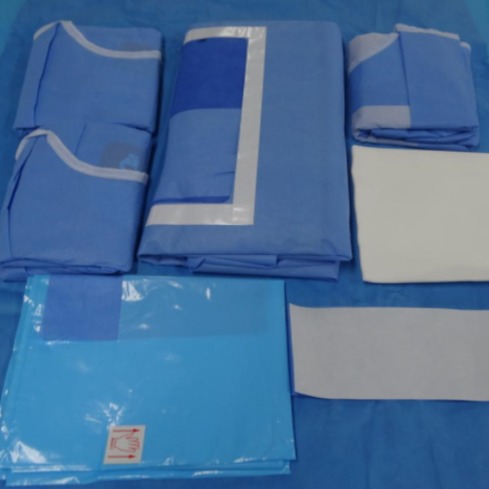
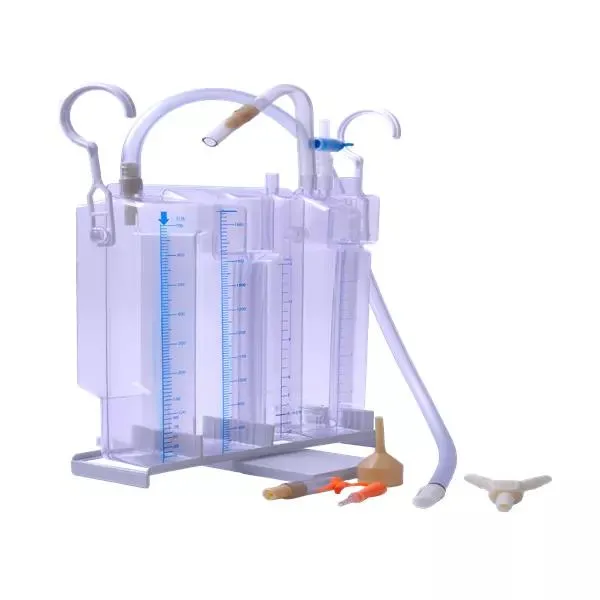
Most commentary focuses on the technology layer - remote monitoring, telehealth, wearables. But consider what a hospital bed actually consumes in a week: gloves, gauze, syringes, infusion sets, drainage and urine bags, feeding supplies, dressings, underpads, sharps containers. Every home-based admission is therefore also a consumables event - with three important differences.
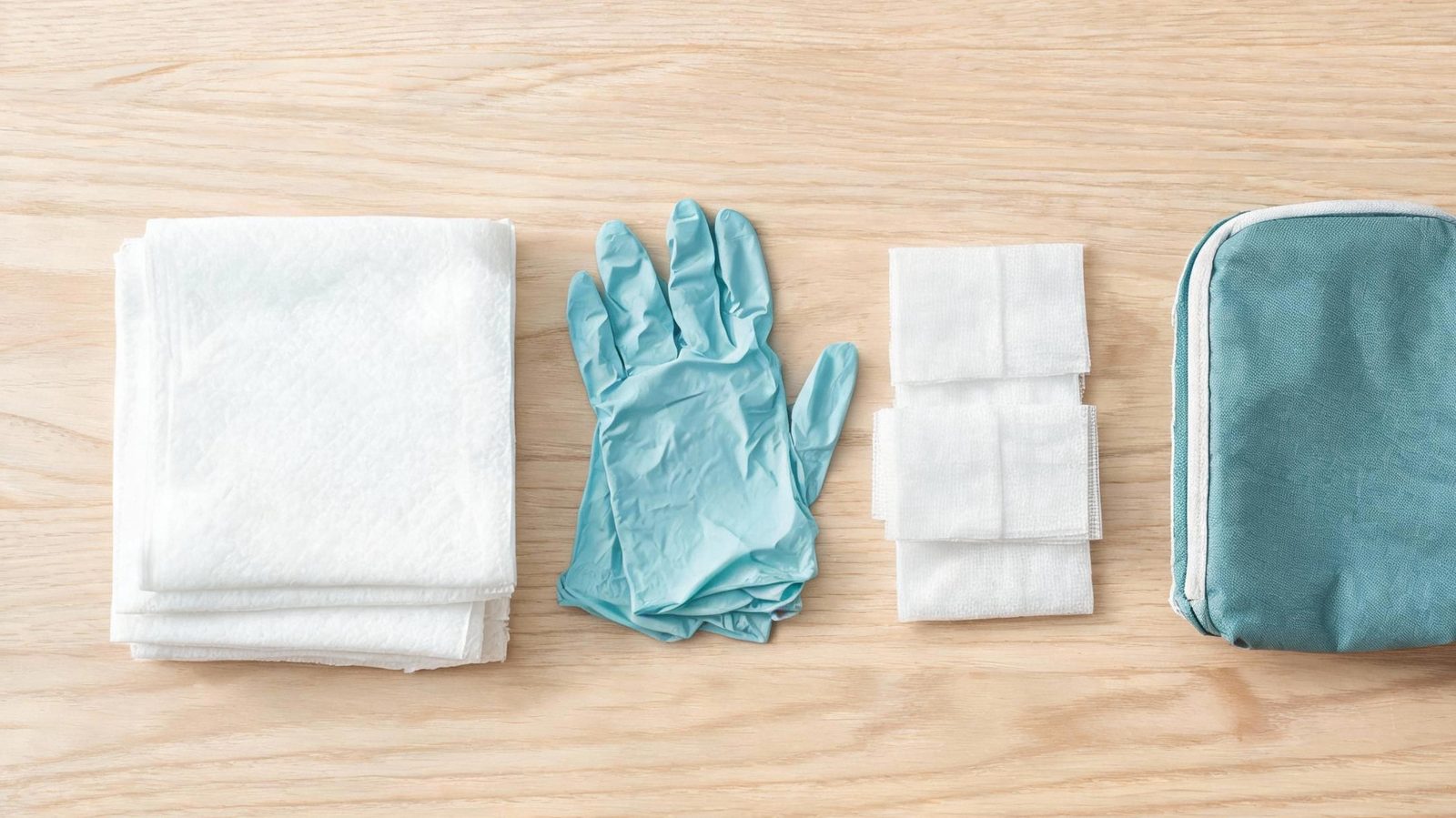
- Clinician-friendly becomes caregiver-friendly. In hospital, products are handled by trained staff. At home, a family member may be opening the package for the first time. Expect rising demand for intuitive, pictogram-led packaging, color-coded components and procedure kits that group everything needed in one easy-to-open pack.
- Pallet economics become parcel economics. Hospital procurement consolidates - one order, one dock. Home care fragments into smaller, more frequent orders across more SKUs, with last-mile delivery and e-commerce in the mix. Suppliers that can serve both bulk and parcel channels will have a structural advantage.
- "Hospital grade" must become "home appropriate." Quality standards don't relax at home; the context changes. Smaller pack sizes reduce waste, clearer instructions reduce errors, and consistent documentation supports reimbursement. With CMS estimating a 1.3% decrease in aggregate 2026 Medicare payments to home health agencies, providers are under pressure to standardize on supplies that are reliable, easy to document and cost-efficient.
What distributors should ask their suppliers now
- Which products are genuinely designed for home use - not hospital products in smaller boxes?
- Can you supply both bulk pallets and parcel-ready, retail-friendly configurations?
- Do packaging and instructions work for untrained users and multilingual households?
- Is quality documentation (ISO 13485, EU MDR, FDA where applicable) audit-ready and consistent across the range?
- Can you assemble kits and customized packs to reduce the number of loose items shipped into a home?
A manufacturer's view
Bridging hospital-grade quality with home-friendly design is easier for manufacturers that already run flexible production. WeHere Medical has supplied disposable medical consumables to more than 50 countries for over 25 years, operating ISO 13485 and EU MDR aligned quality systems across three own factories and a network of 45 audited partner factories, with a portfolio of 2,500+ product lines. Its home-care range - from underpads and daily-care essentials to urine bags, feeding supplies and foam mattresses - already serves the shift, while OEM and kit-assembly capabilities help distributors build home-ready assortments without managing a dozen vendors at once.
Final thoughts
Hospital-at-home is no longer an experiment. With policy support secured through 2030 and the market growing at double-digit rates, it is becoming a standard care setting. The suppliers that treat "home" as a distinct channel - with its own design, packaging and logistics logic - will be the ones that grow with it. If you are planning or expanding a home-care line, talk to our team about building the right assortment.
Sources
- Becker's ASC Review - "CMS extends hospital-at-home waivers for 5 years," March 2026
- SNS Insider - Hospital-at-Home Equipment Market report
- JAMA Network Open (2026), as reported by Home Health Care News and Healthcare Dive
- Stout - Home Health & Hospice sector update (2026)
- World Health Organization - Ageing and Health fact sheet
Explore More — WeHereMedSolution.com
Home Care & Monitoring Solutions →Consumables powering hospital-at-home programs: monitoring, drainage and daily care.